
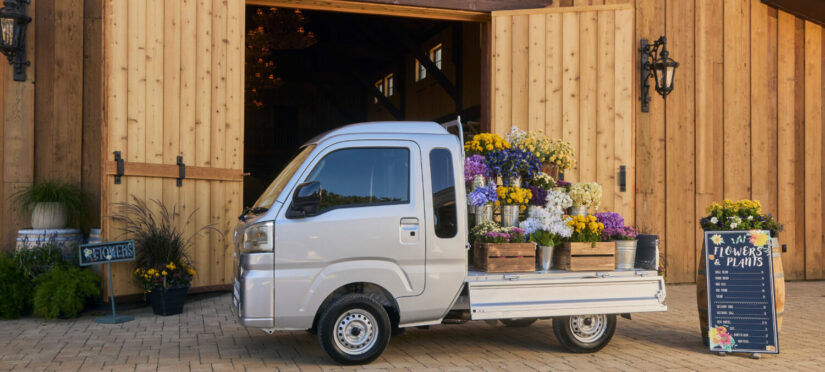
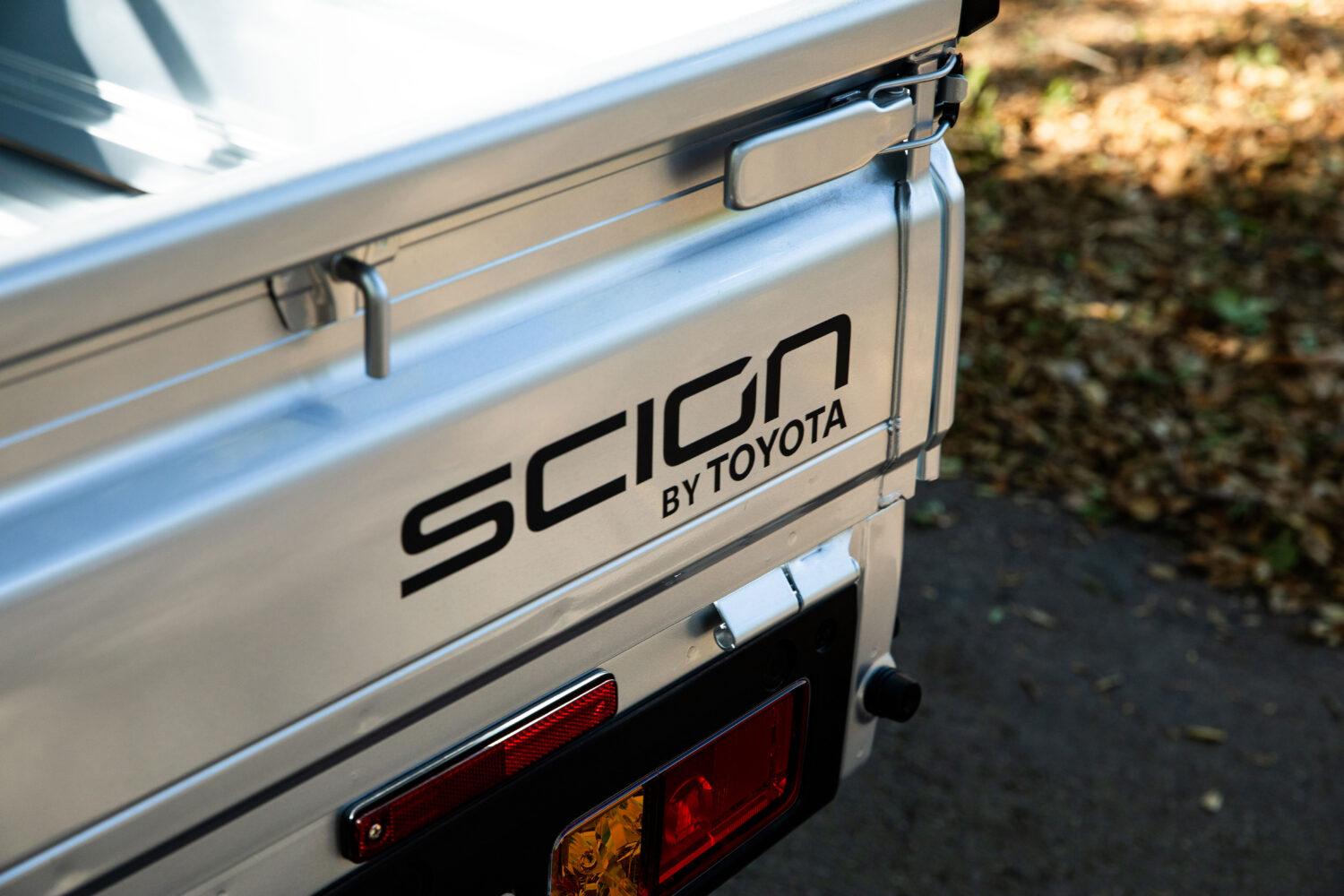
Toyota is bringing Scion back with a very small truck. As someone who owns a 1998 Subaru Sambar, I see that as welcome recognition of an idea kei truck owners already appreciate: useful cargo space does not always need a large vehicle.
The news landed in Owen Tucker-Smith’s November 10 Wall Street Journal report, which covers Toyota’s Scion revival and its new KEI 01 utility truck. For New York owners, it raises a bigger question: can this attention help build a clearer path for kei vehicle registration?
My view is that it can help the conversation. The announcement itself does not change New York’s rules.
Why This Story Is Personal
I recently spoke with Wall Street Journal reporter Owen Tucker-Smith about kei vehicle ownership and legalization efforts. His Toyota story appeared shortly afterward. That conversation and this article are separate; I am sharing my perspective here as an owner and driving instructor.
I am also helping promote Empire State Kei Advocates’ petition for New York registration reform. I want the discussion to move toward clear, workable rules that recognize both the utility of these vehicles and their limitations.
If that is a change you support, read and sign the New York kei vehicle registration petition.
What Toyota Actually Announced
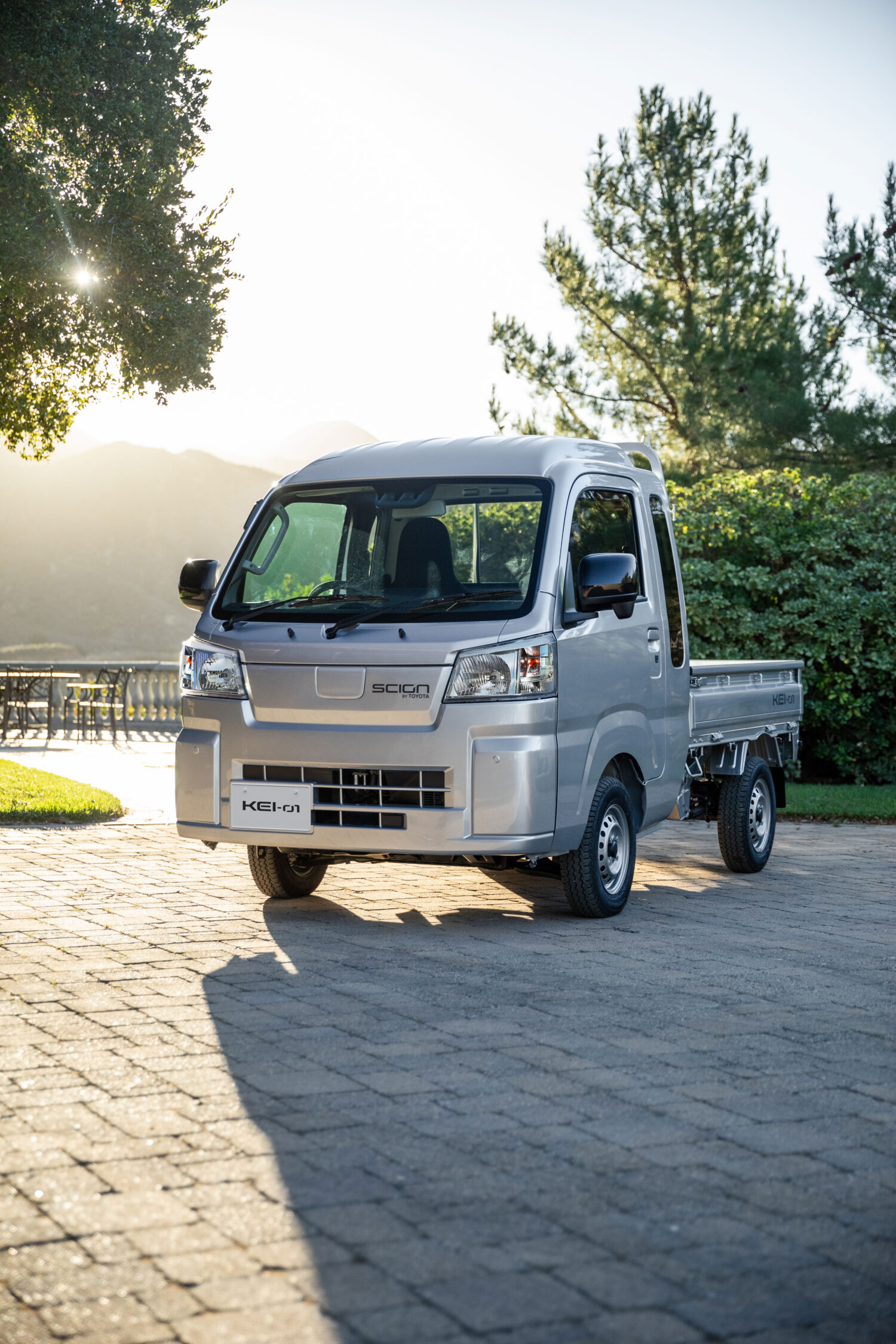
According to Toyota’s November 10 announcement, the KEI 01 is planned for assembly in Indiana, with U.S. arrival in the second half of 2027. Initial distribution will focus on fleets through selected dealers.
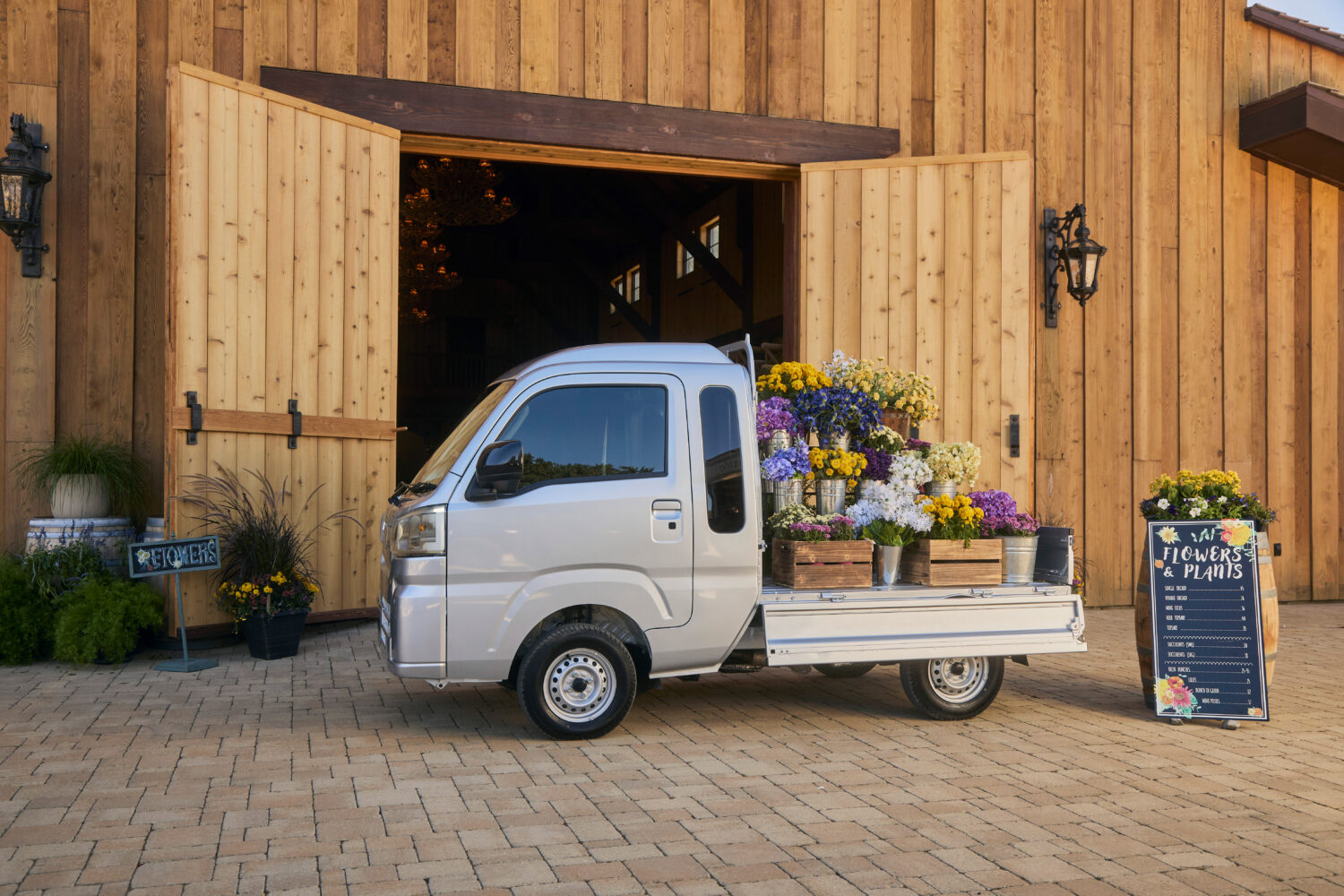
Toyota lists a 660cc three cylinder engine, a CVT, selectable four wheel drive and a cargo bed with folding sides. It is a vehicle with the compact utility layout that makes kei trucks interesting, rather than a return to the old Scion passenger car lineup.
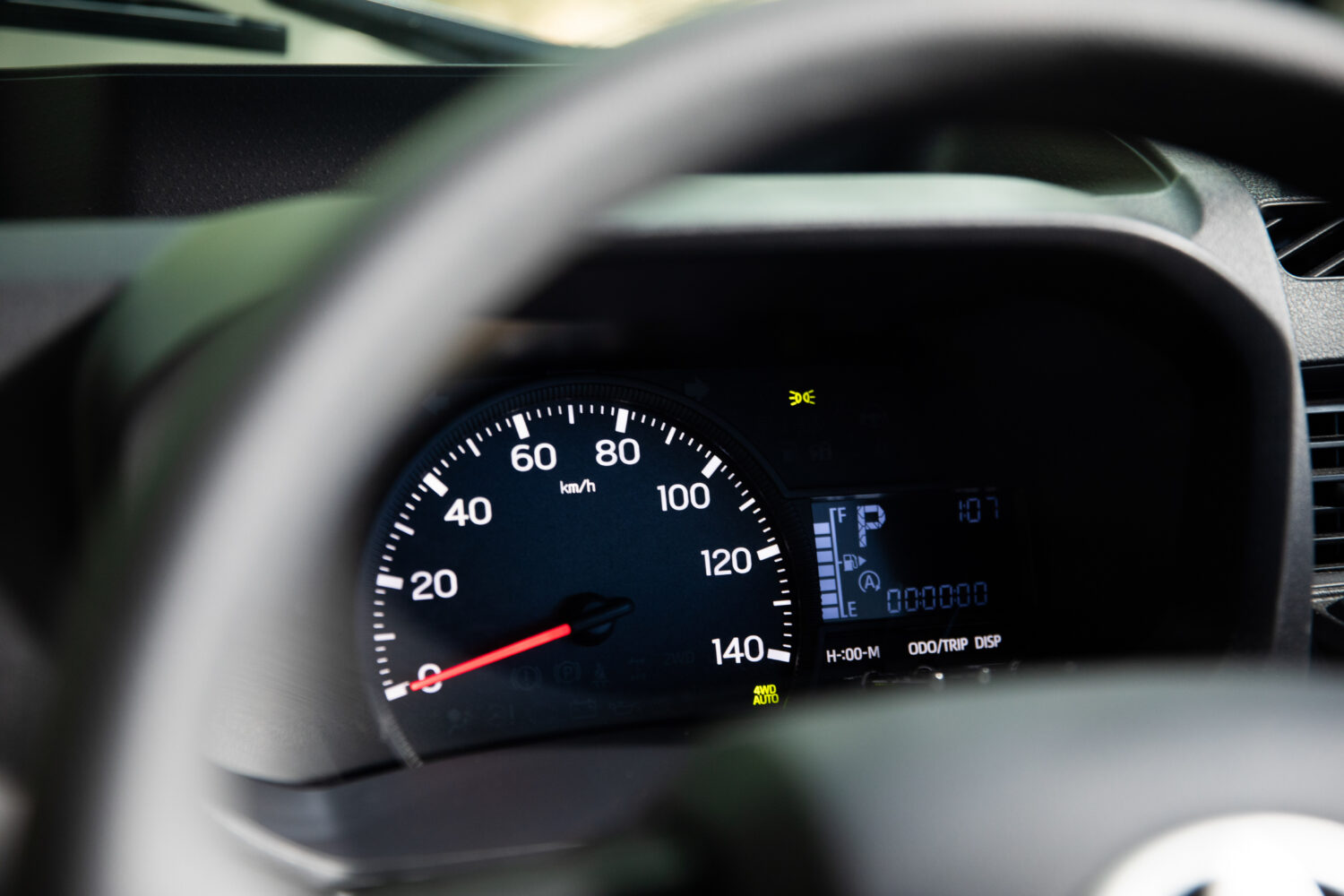
The important qualification is its speed and classification. Toyota says it will be limited to 25 mph and designed to comply with Federal Motor Vehicle Safety Standard No. 500 for low speed vehicles. Toyota has not presented this as an ordinary highway pickup.
That could be useful for the right campus, property or local work route. Whether a particular buyer can register and operate one on public roads still depends on the applicable state and local requirements.
Kei Truck Background and History
Kei trucks belong to Japan’s regulated light vehicle category. The Light Motor Vehicle Inspection Organization traces the category to July 1949. Today, the limits for a combustion engine kei vehicle are 660cc, 3.4 meters in length, 1.48 meters in width and 2 meters in height. “Kei” describes the class, rather than a particular brand.
The familiar work truck has a long history: Daihatsu introduced the Hijet in 1960, while the Suzuki Carry and Subaru Sambar arrived in 1961. That places my 1998 Sambar within a working vehicle tradition that predates today’s American enthusiasm by decades.
The rules evolved with the trucks. Earlier generations used engines within a 360cc ceiling, followed by a 550cc limit in 1976 and 660cc in 1990. The current length and width limits took effect in October 1998. Older imports can therefore have different dimensions from today’s models.
Why Japan Relies on Kei Trucks
Their importance in Japan starts with everyday work. Daihatsu identifies agriculture, forestry and fisheries as core Hijet Truck uses. A narrow body helps on farm access lanes and crowded local streets; a short cab leaves more of the vehicle’s length available for cargo. Low beds and opening side panels make repeated loading easier. These are useful qualities for moving produce, tools and supplies throughout a working day.
There is substantial utility within that small footprint. For example, Suzuki lists a 1.94 meter bed length and 350kg maximum payload for the standard Carry. That is about 772 pounds of cargo, within the specified load limit. The low deck also reduces how far a worker must lift each item.
Cost matters alongside access and loading. Japan’s separate mini vehicle tax framework is part of the category’s ownership economics. For a small operator making frequent local trips, a truck sized to the job can be an everyday business tool.
Why the Appeal Travels Overseas
The same practical qualities help explain their appeal overseas. For suitable farm, landscaping and property maintenance work, a compact pickup offers an open cargo bed and an enclosed cab without taking up the space of a large truck. Four wheel drive versions add another reason for interest, although equipment varies by model and grade.
That international story is older than the recent import trend. Suzuki reported in 2019 that its overseas Carry business had reached 145 countries and regions, with more than two million cumulative sales, excluding Japan’s mini segment trucks. It cited agriculture, fisheries, construction and delivery customers. Suzuki began Carry production in Indonesia in 1976.
Those export models need a distinction: the global Carry unveiled in that 2019 announcement used a 1.5 liter engine and a larger body, placing it outside Japan’s kei limits. Daihatsu also developed local Hijet production in Indonesia and a sales and assembly presence in Malaysia. The broader appeal is a practical small work truck adapted to local needs; an imported Japanese kei truck is one specific version of that idea.
Three Questions That Often Get Mixed Together
An older imported Sambar, a current Japanese market Hijet and Toyota’s announced U.S. low speed vehicle can look related while following different legal paths.
| Vehicle or issue | What the rule addresses | What it does not establish |
|---|---|---|
| Older Japanese import | The federal age exemption can remove the requirement to meet FMVSS for importation. | Permission to register it in New York. |
| New Japanese market kei truck | Its own market specifications and equipment. | U.S. certification or eligibility under the 25 year import exemption. |
| Toyota’s announced KEI 01 | A planned U.S. low speed vehicle with a 25 mph limit. | Conventional highway pickup capability or blanket legalization of older imports. |
Where New York Stands Today
The New York DMV’s imported vehicle guidance says it will not register or title a kei class vehicle unless the applicant provides proof of compliance with the applicable federal safety and EPA emissions requirements in effect when the vehicle was manufactured.
That differs from the federal import exemption. NHTSA explains that vehicles at least 25 years old can be imported without meeting the applicable FMVSS, with age measured from manufacture. EPA has separate emissions import requirements, including its provision for older vehicles with an engine matching the original model and configuration.
Customs clearance, state registration and permission to use a particular road are separate checks. An import exemption does not settle all three.
New York also has an existing low speed vehicle framework. Vehicle and Traffic Law § 2262 generally bars LSV operation on roads posted above 35 mph, with a specified crossing exception, and permits additional local restrictions. That framework should not be confused with registering an ordinary older kei import.
There are examples of a different state approach: Texas DMV’s title manual provides procedures for eligible mini vehicles, while still requiring ownership and import documents. It is a useful reference for reform discussions, rather than a substitute for New York authorization.
Newer Kei Trucks Have Evolved
It would be a mistake to judge every current kei truck by the equipment in a 1990s import. Equally, a modern safety feature is not proof of U.S. certification.
A concrete example is Daihatsu’s March 2026 Hijet Truck update. Daihatsu describes expanded Smart Assist detection for crossing bicycles, oncoming vehicles during right turns at intersections and pedestrians during turns. It also lists lighting improvements for the Extra grade.
Those are meaningful developments in driver assistance. Daihatsu also explains that the system has operating limits and can fail to activate in some conditions. Equipment must be checked for the exact year and grade.
This supports a more informed discussion about modern kei vehicles. It does not establish that a Japanese specification truck meets the same U.S. requirements as a conventional pickup, or that Toyota’s announced model has every feature found on a Japanese Hijet.
Safety Is Part of the Case for Sensible Rules
The federal LSV standard covers a defined set of requirements, including lighting, mirrors, belts and glazing. NHTSA has explained that LSVs are not subject to many of the occupant protection standards that apply to other light vehicles.
As an instructor, I would want a buyer to consider the vehicle’s condition, restraints, brakes, tires, load and intended route. A compact work truck chosen for a suitable local task is a different proposition from choosing a vehicle for regular high speed travel.
My support for reform includes honest limits and clear expectations. A smaller vehicle can be worth considering without pretending every vehicle is interchangeable. Good rules should help owners understand what they may drive, where they may drive it and what responsibilities come with that choice.
Help Turn Attention Into Progress
Toyota’s move gives kei vehicle owners an opportunity to explain why this format matters. My hope is that lawmakers will use the moment to hear from owners, tradespeople and small businesses, and consider a transparent registration path.
I am helping promote Empire State Kei Advocates’ New York petition. It asks for registration reform. An online signature is an expression of support; it does not itself change the law or automatically place a measure on an election ballot.
Read it, share it with someone who would benefit from a small utility vehicle, and explain to your state representatives what a practical registration policy should address.
Want to Explore a Different Driving Experience?
Kei truck interest often leads people to ask about driving from the right seat or learning a manual. Explore our right hand drive information or book a manual driving lesson in Brooklyn. Toyota’s announced KEI 01 uses a CVT, so it should not be confused with a clutch equipped manual truck.
Sources and photo credits
Wall Street Journal report, November 10, 2026 (subscription may be required); Toyota announcement and editorial photographs; New York DMV imported vehicle policy; NHTSA import FAQs; EPA import guidance; FMVSS No. 500; New York LSV road restrictions; Daihatsu Hijet safety update; Texas DMV title manual; Empire State Kei Advocates petition. All truck photographs are Toyota press images used to illustrate this editorial discussion.
