

The best classic car modification solves a problem you can describe. More power, a lower stance or a smaller steering wheel can sound appealing, but none automatically makes an older car better to drive.
Start by deciding what the car is for: local street use, longer trips, collecting or a particular competition. The right choices for one purpose can make another harder. A street car that is uncomfortable, unreliable or difficult to park is not improved merely because its parts list is more impressive.
Classic Car Gallery
Browse eight classics using the arrows below. Each has its own character worth considering before planning modifications.
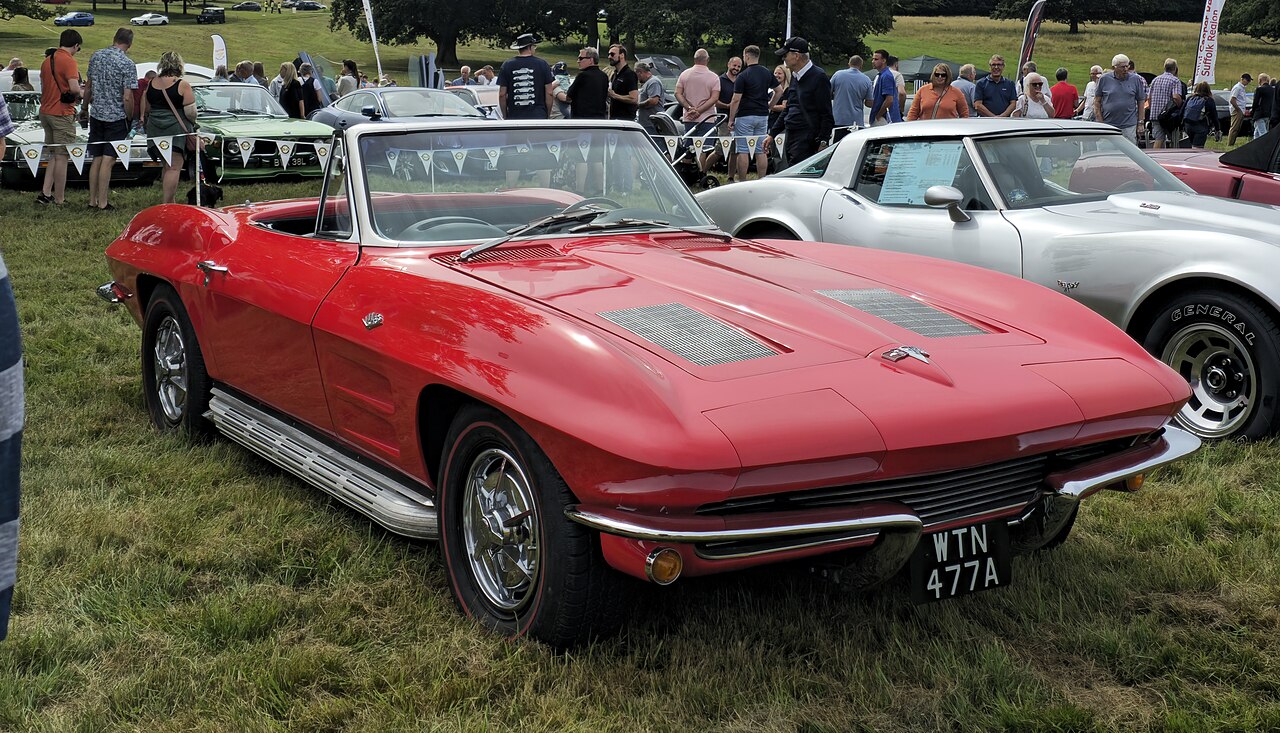
1963 Chevrolet Corvette C2. Photo: Calreyn88 · CC BY-SA 4.0. 
1965 Ford Mustang. Photo: Ad Meskens · CC BY-SA 3.0. 
Porsche 356. Photo: Calreyn88 · CC BY-SA 4.0. 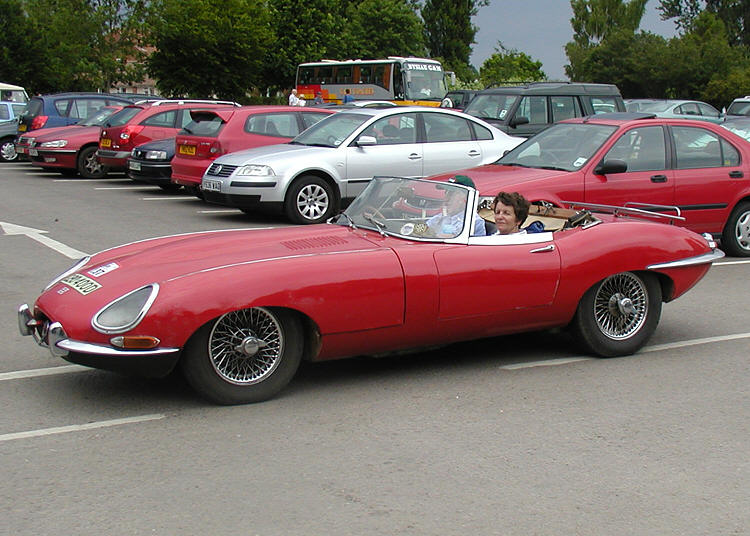
1966 Jaguar E-Type. Photo: Adrian Pingstone · Public domain. 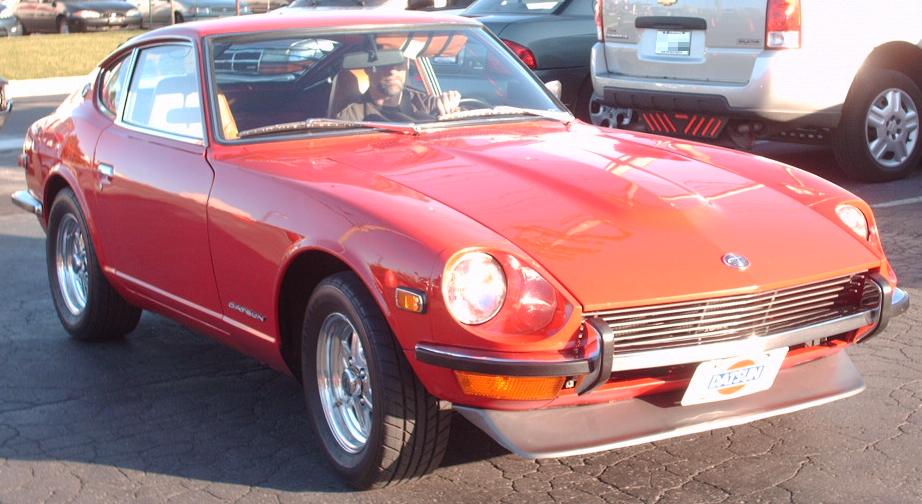
Datsun 240Z. Photo: Bull-Doser · Public domain. 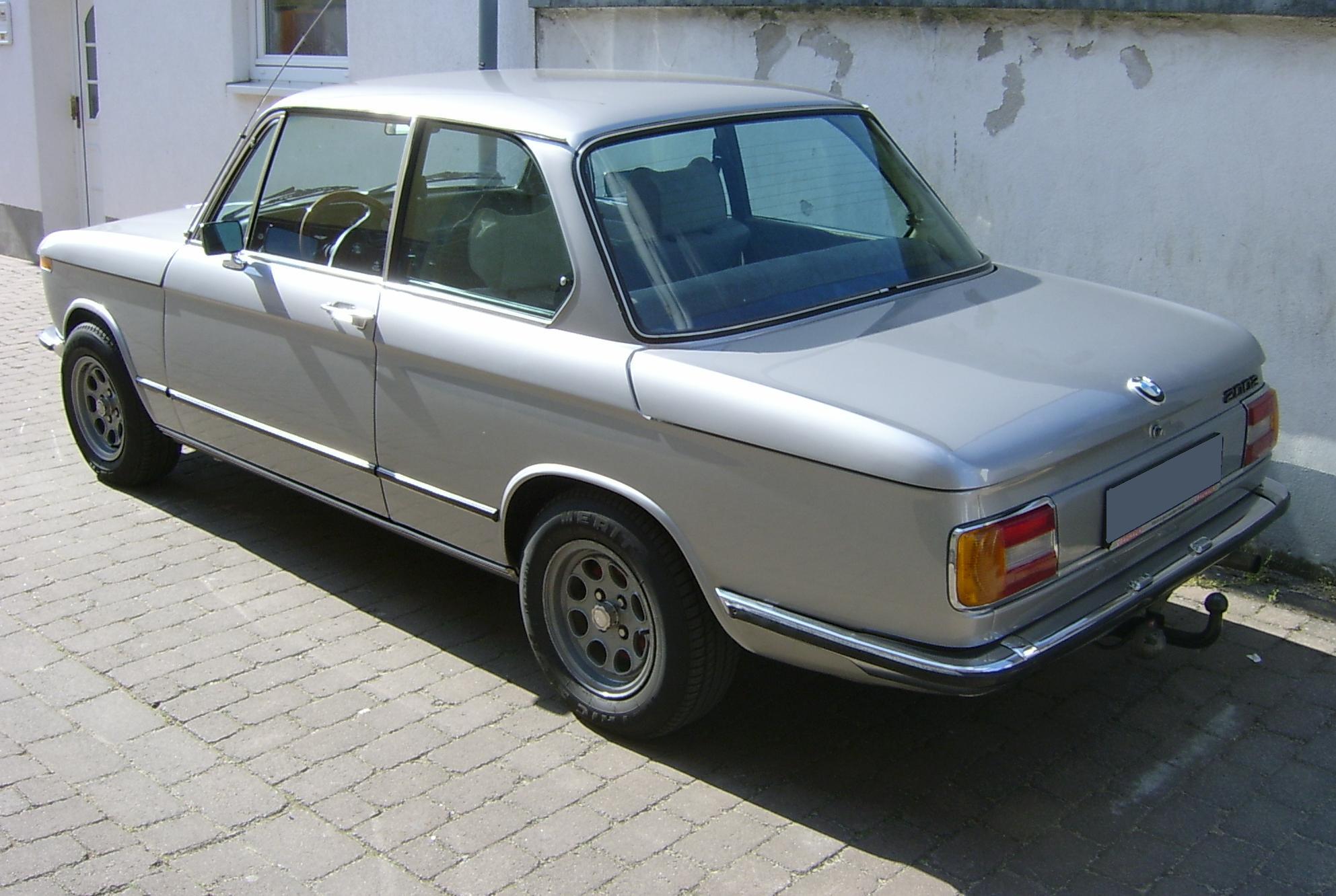
BMW 2002. Photo: Automodeller · CC BY-SA 3.0. 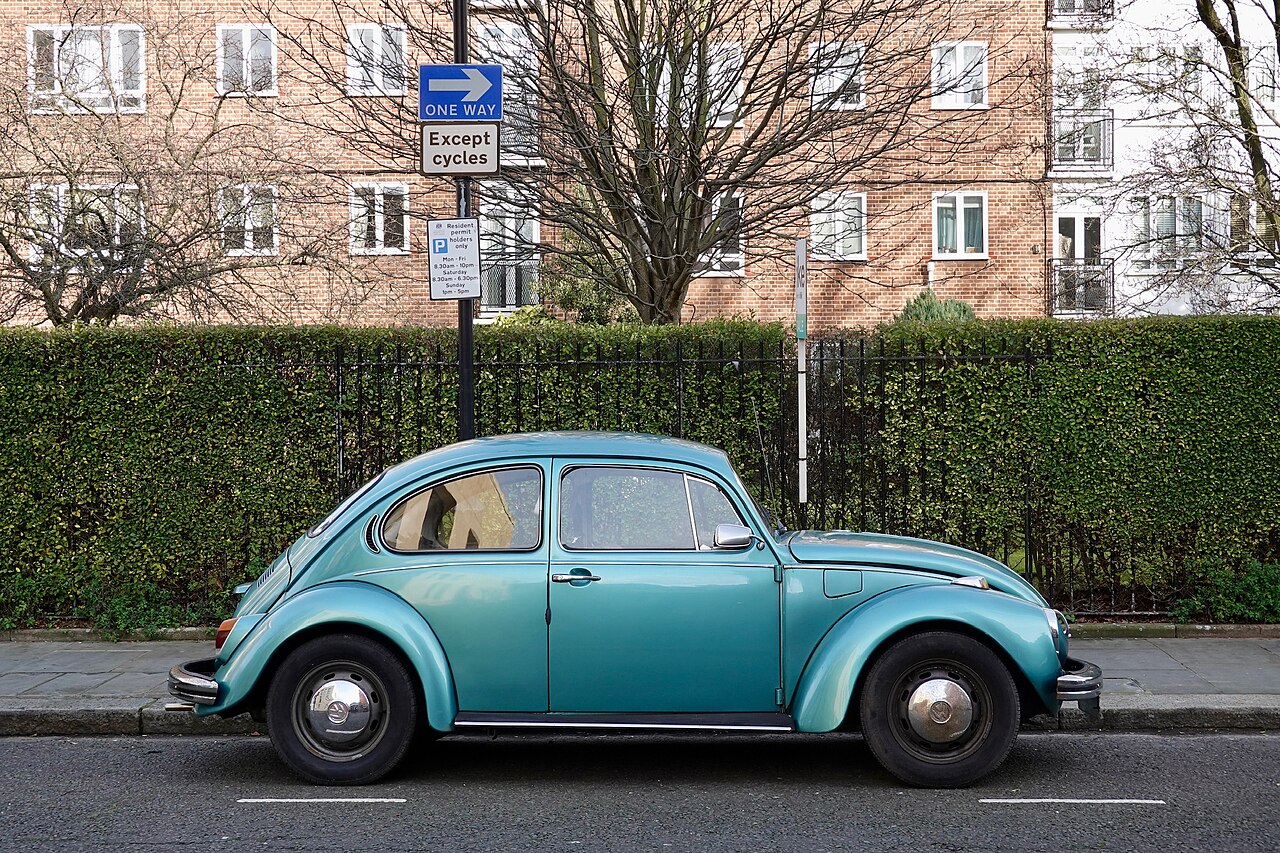
Volkswagen Beetle. Photo: Robert-brook · CC0. 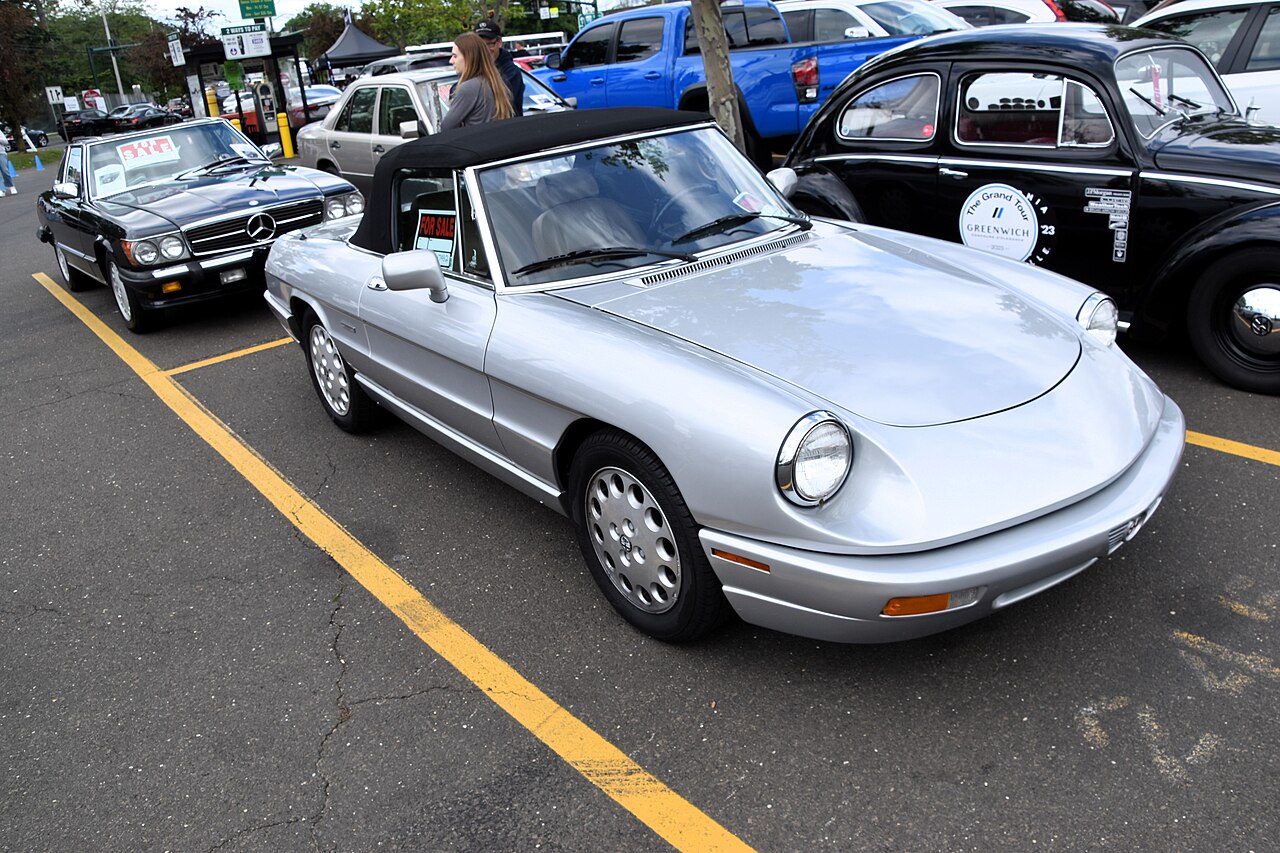
1991 Alfa Romeo Spider. Photo: Charles · CC BY 2.0.
Restore the Baseline Before Changing the Recipe
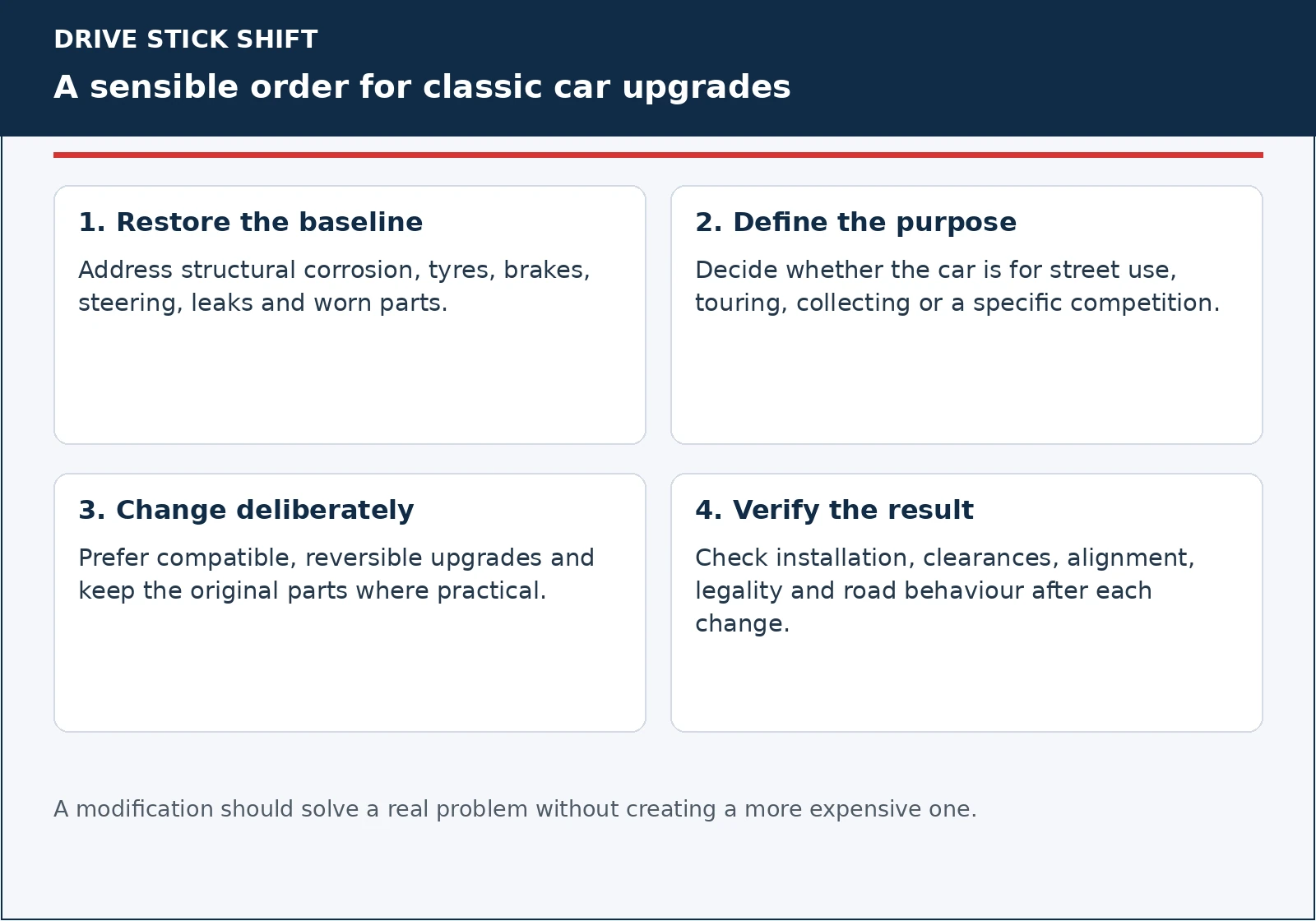
Worn components can make a good original design feel bad. Have structural corrosion, tires, brakes, steering, suspension joints, cooling and significant leaks assessed before spending on performance changes. Replacing a failed component with the correct part is maintenance, even when the improvement feels dramatic.
Keep a written list in three groups: defects that need repair, limitations you have actually experienced, and changes you simply like. Work through the first group before allowing the third to consume the budget.
Ask Your Insurer for Help Finding Original Parts
An upgrade plan often starts with restoring what is worn, missing or broken. Before fitting a universal replacement or modifying something just because the original part seems impossible to find, ask whether a collector-car specialist can help you locate the correct component.
I’m insured with Hagerty, and it is one resource worth checking. Hagerty advertises in-house parts specialists who help track down replacement parts. Its Ask Hagerty service helps Hagerty Drivers Club members find hard-to-find parts and specialist shops. You do not have to buy Hagerty insurance to join the club, but Ask Hagerty is a membership benefit. Check the current membership terms and whether your request relates to a claim.
- State Farm Classic+ Driven by Hagerty lists parts specialists as part of its specialty claims service.
- Hanover Collector Car, Powered by Hagerty describes claims support with resources for locating hard-to-find parts.
Both examples work with Hagerty; they are not independent public parts-search services. Neither partner program currently lists New York among its available states. Check availability and eligibility directly, and distinguish help locating a part from insurance paying for it.
Have the year, make, model, part number if available, and clear photographs ready when asking for help. Finding the right original component may let you restore the car’s intended operation before deciding what actually needs an upgrade.
Preserve the Characteristics You Enjoy
An older car may appeal because of its visibility, steering feel, comfortable suspension or uncomplicated controls. Consider what an upgrade removes as well as what it adds. A very firm suspension may look purposeful while making a rough Brooklyn street tiring to drive.
Where practical, choose reversible changes and retain labeled original parts. Photograph the installation, keep receipts and record specifications. That helps the next mechanic understand the car and gives a future owner a clearer picture of what has changed.
Evaluate Common Upgrades as Systems
- Suspension: check travel, alignment, tire clearance, ride height and ground clearance together. Lower does not automatically mean better controlled.
- Wheels and tires: confirm fitment, load capability and clearances through steering and suspension movement. Appearance alone cannot establish compatibility.
- Lighting: verify that the complete lamp system and installation are appropriate and compliant. A bright replacement bulb is not proof of a correct beam pattern.
- Steering wheels: consider steering effort, visibility of instruments, horn operation and any original restraint equipment. Safety systems are not cosmetic accessories.
- Power changes: assess cooling, fueling, brakes, drivetrain capacity and applicable emissions requirements before increasing output.
New York’s vehicle inspection guidance is a useful starting point for road-use requirements. Confirm the rules for the particular vehicle and modification; age does not create blanket permission to remove emissions or safety equipment.
A Racing Clutch Is Not an Automatic Street Upgrade
A more aggressive clutch can change pedal effort and engagement characteristics. A part intended to tolerate a particular competition use may be less pleasant for parking, traffic and repeated low-speed starts. First establish whether the existing clutch is faulty, unsuitable for the actual torque, or simply being operated poorly.
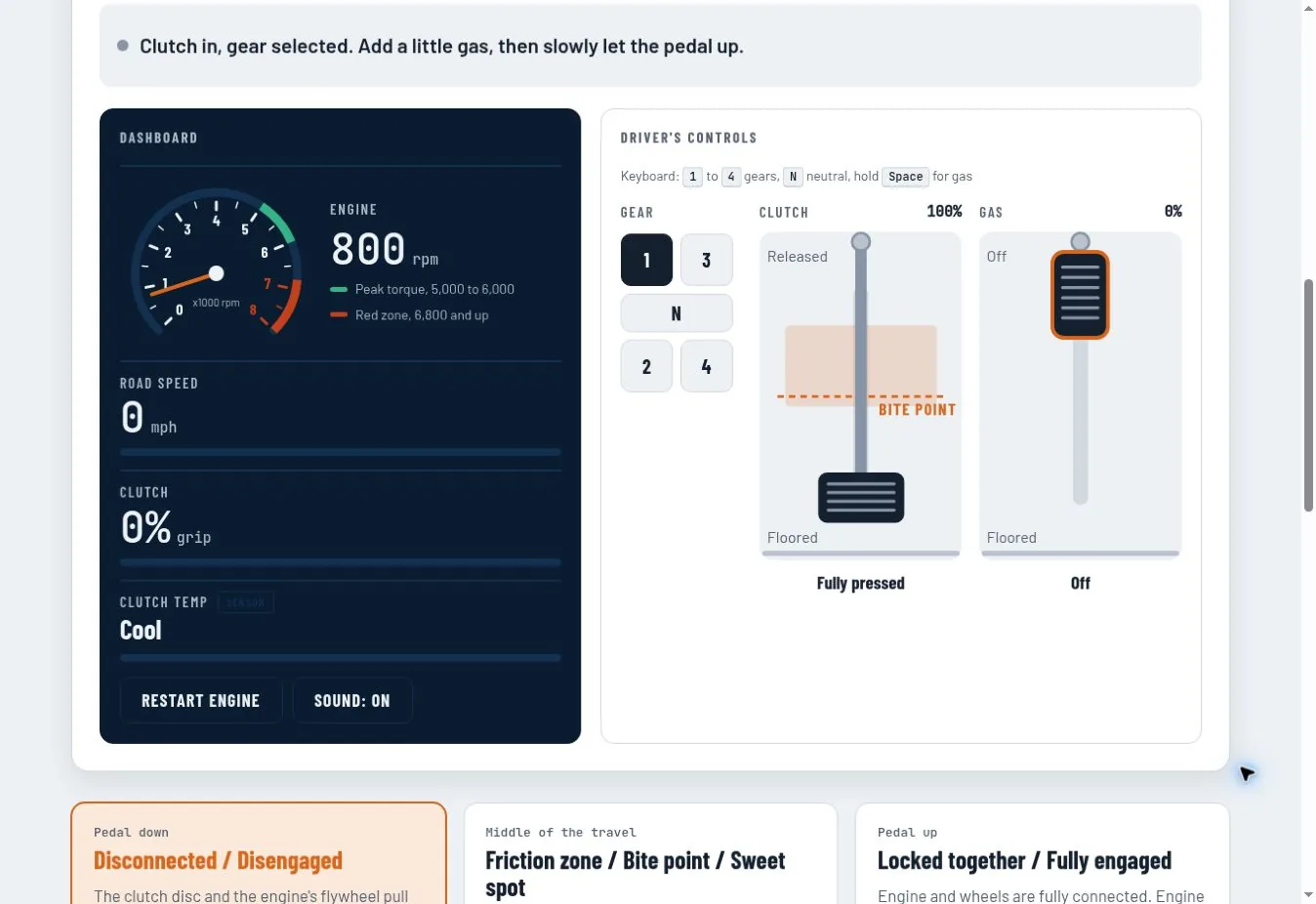
Explore Clutch Lab to visualize engagement, then consider what you are feeling in the real car. If starts and low-speed control are the main difficulty, manual driving instruction may be more useful than immediately changing the clutch. Mechanical symptoms still need proper diagnosis.
Make One Meaningful Change and Verify It
Document the baseline, complete the installation correctly and inspect the result before judging it. Check torque, leaks, interference, alignment or other relevant requirements using the appropriate procedure. A professional inspection is worthwhile when the work affects safety-critical systems.
Avoid changing several major systems at once if you can help it. Otherwise, a new vibration or handling problem becomes harder to trace. Keep a spending limit that leaves room to correct unexpected issues rather than exhausting the budget on the initial purchase.
Does Modifying a Classic Always Reduce Its Value?
No universal rule covers every model and buyer. Originality, quality, documentation and reversibility can all affect desirability. If resale matters, research the specific model’s market before assuming an upgrade will pay for itself.
The goal is a car you can use and enjoy with confidence. A carefully maintained original setup or a thoughtfully modified one can achieve that. An unplanned collection of parts often cannot.
